Lantern Room, Third Watch
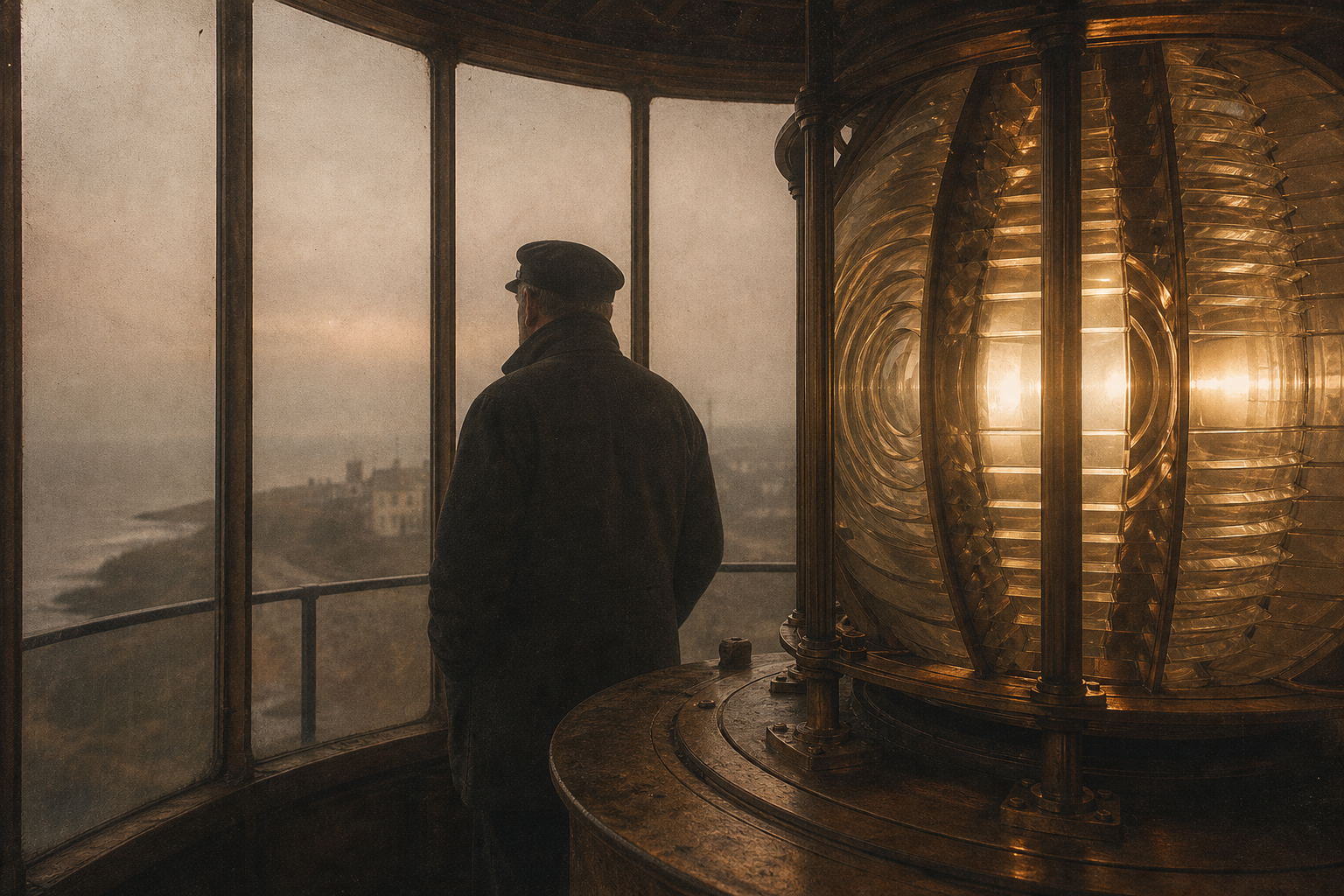
At 2:10 a.m., Keeper Elin marked the fog's return, polished condensation from the lens, and held the beam steady for the inbound packet steamer.
Northern Coast Lighthouses Archive
A curated record of weathered towers, keeper memories, and shoreline landmarks that guided life along the northern waters.
Northern Coast Context
Before charts were common in every wheelhouse, lantern signals and cliff-top markers guided vessels through fog, reefs, and tidal turns. Over time, the towers became both engineering landmarks and places of daily labor, linking navigation, community memory, and coastal preservation.
Early signaling
Harbor fires and hand-raised beacons formalize night guidance routes.
Tower construction
Stone and iron towers anchor hazardous points on the northern headlands.
Keeper life
Families maintain lamps, weather books, and rescue watch through long seasons.
Preservation era
Restoration trusts protect surviving lights as public maritime heritage.
Archive reference points
A quick reading of the archive's character before you move into stories, places, and photographs.
From harbor heads to outer capes, the record follows lights that still stand in working or preserved form.
Approach paths, landings, and cliff stairs trace how keepers reached each beacon through tide, fog, and storm.
Captioned comparisons show lantern spaces carefully restored so their optics and architecture can be read clearly.
Logs and recollections preserve the rhythm of rounds: lamp checks, weather notes, and evening watch.
Keeper Stories
Three brief records from the northern coast logbooks, where routine and endurance gave each tower its human voice.
At 2:10 a.m., Keeper Elin marked the fog's return, polished condensation from the lens, and held the beam steady for the inbound packet steamer.
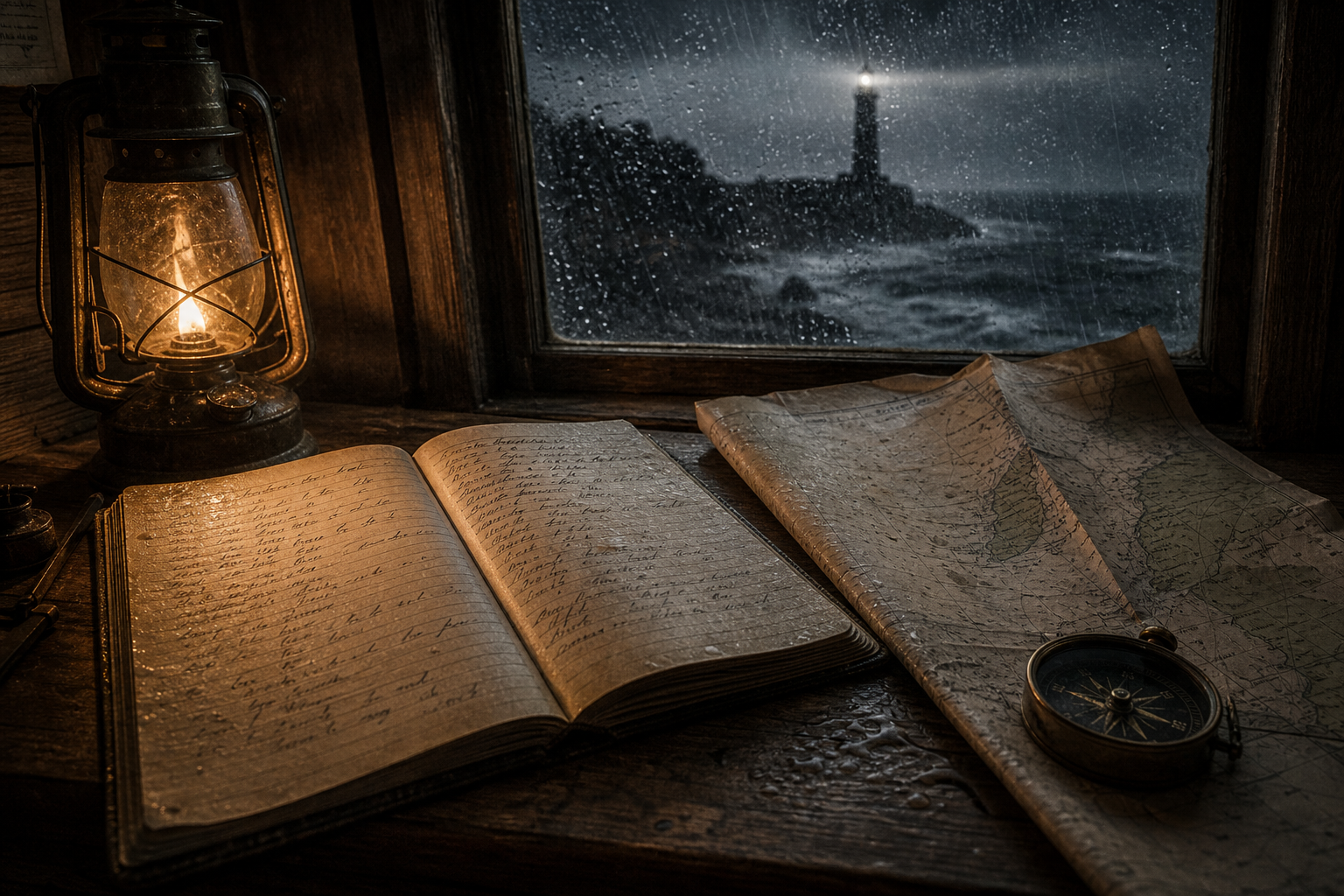
A single page records the gale: wick trimmed twice, signal bell checked hourly, and coffee gone cold before dawn.
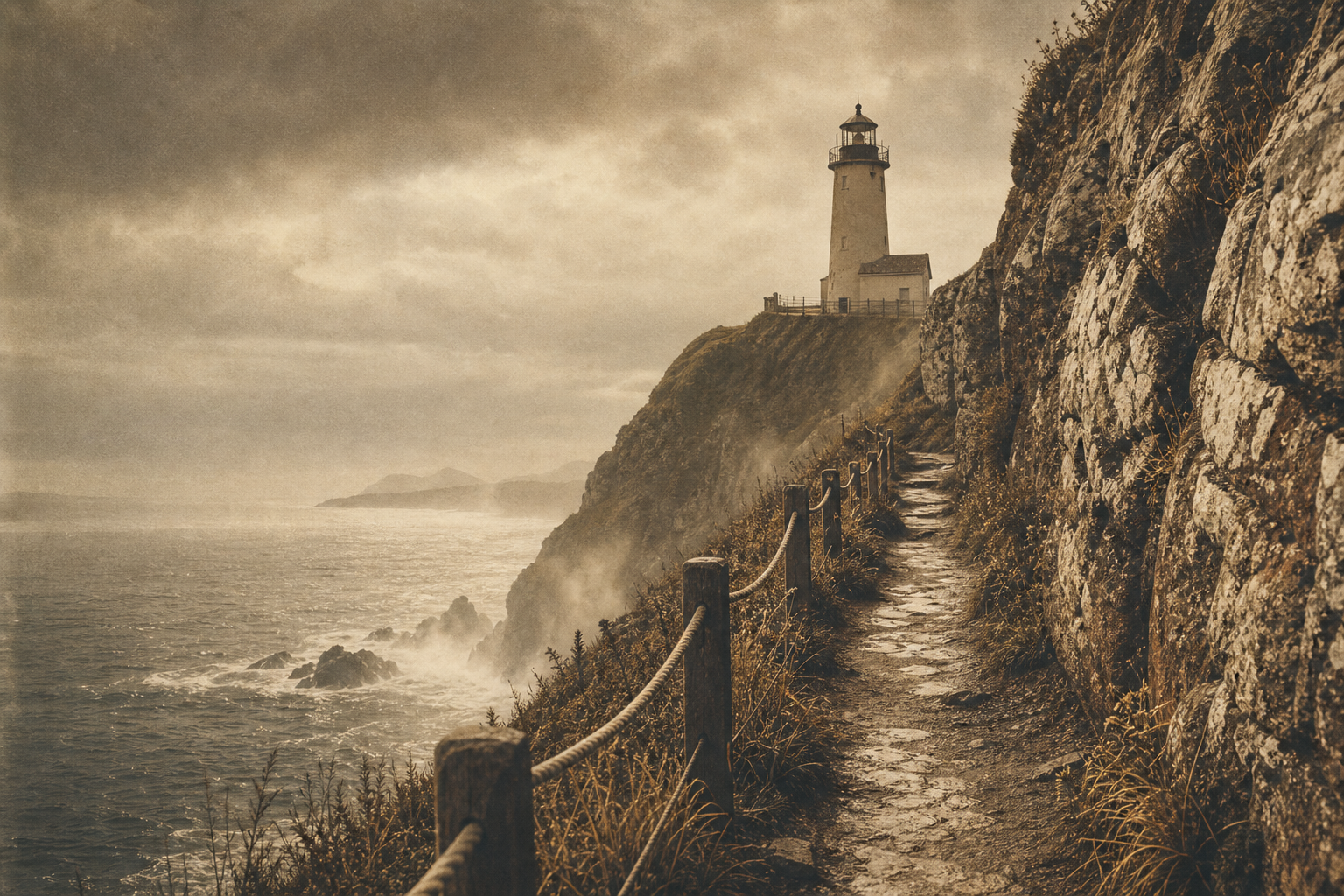
Before first light, supplies were hauled up the cliff track—boots in shale, salt in the air, and lantern glass wrapped in wool.
Preserved towers
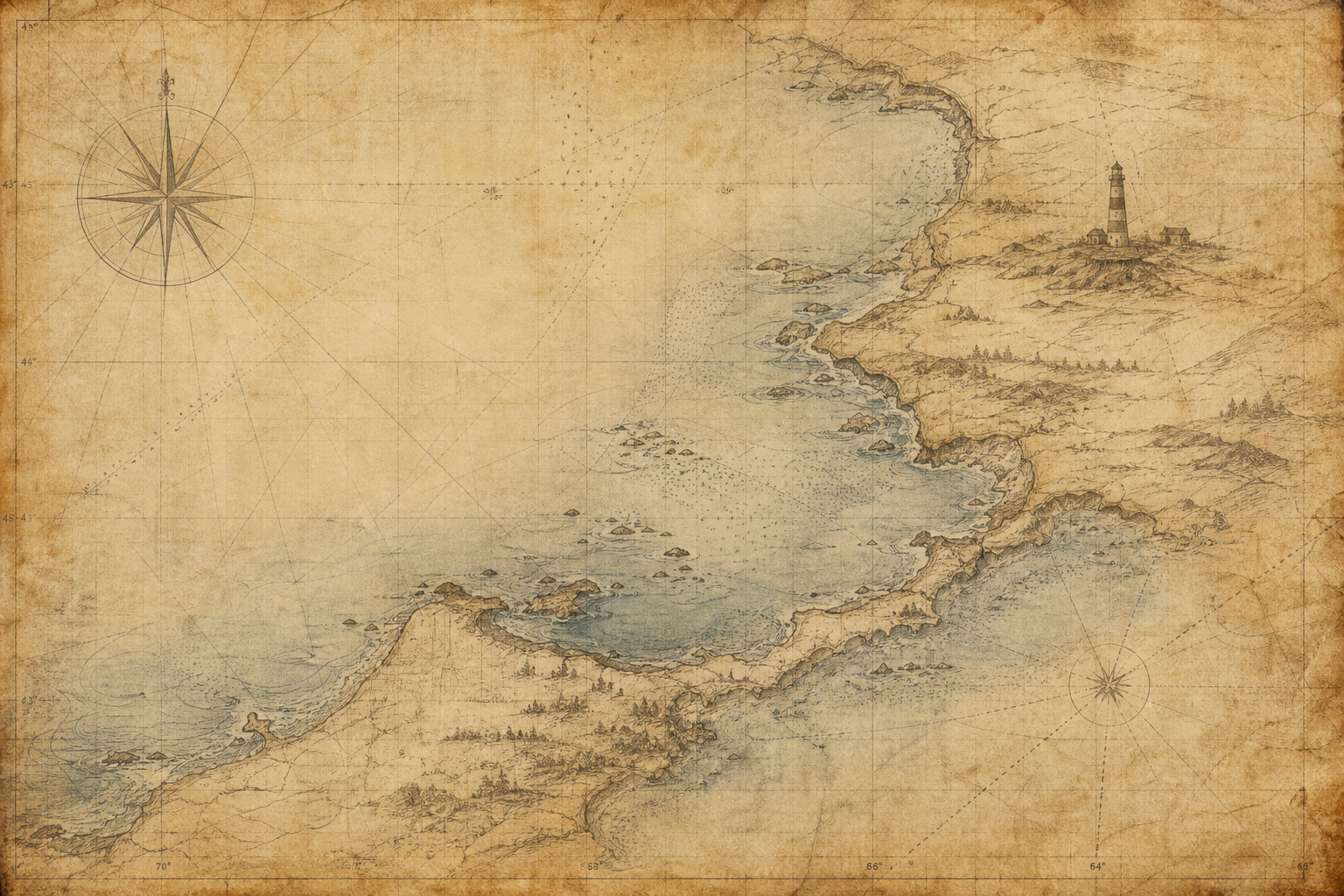
A static locator view to orient archive visits, paired with concise notes on towers that remain standing today.
Archive gallery
A six-frame editorial set: tower, lens, path, stone, quarters, and shoreline beacon — each a fragment of lighthouse life.
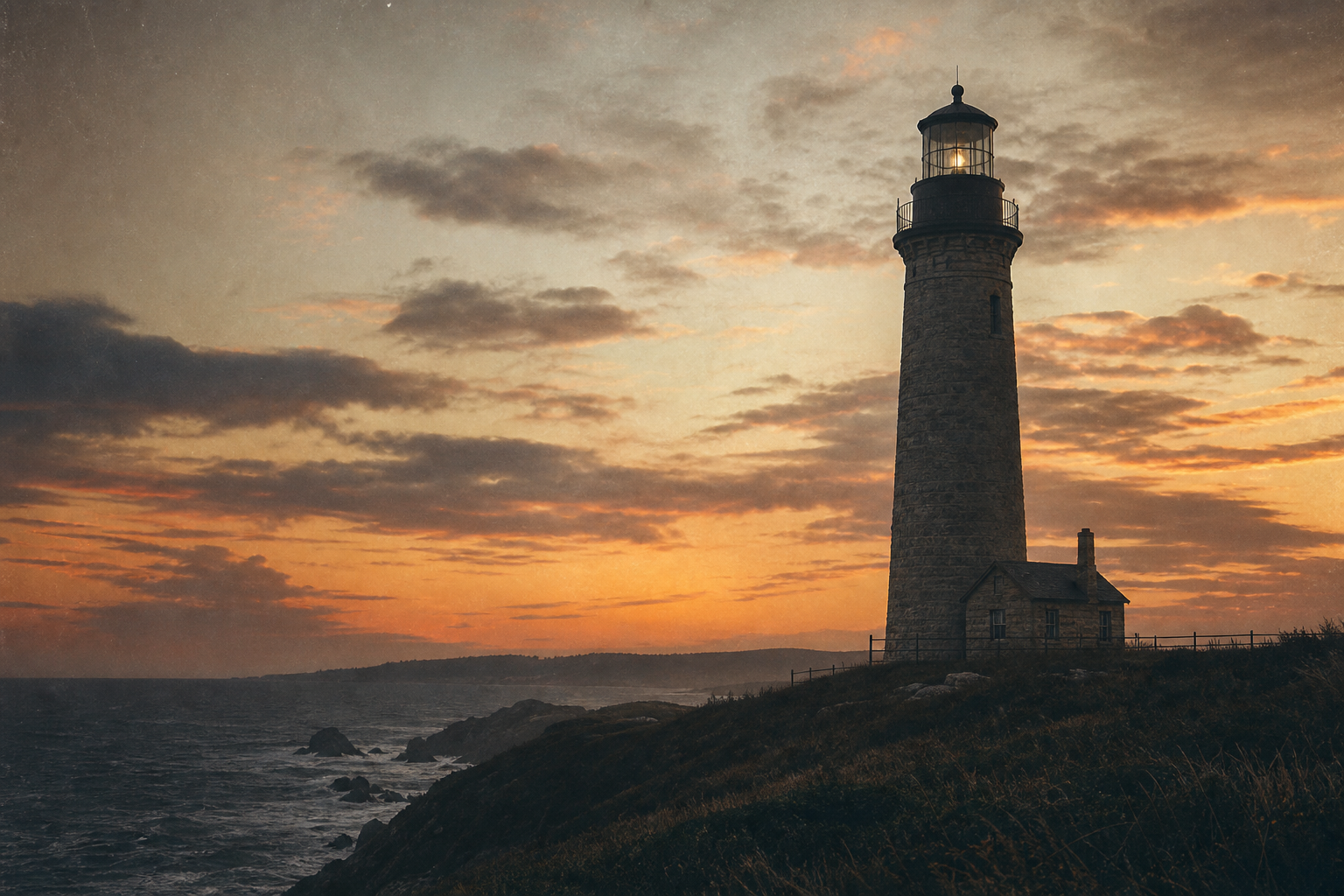
Tower exterior at dusk
North Keld Head beacon, evening watch light.
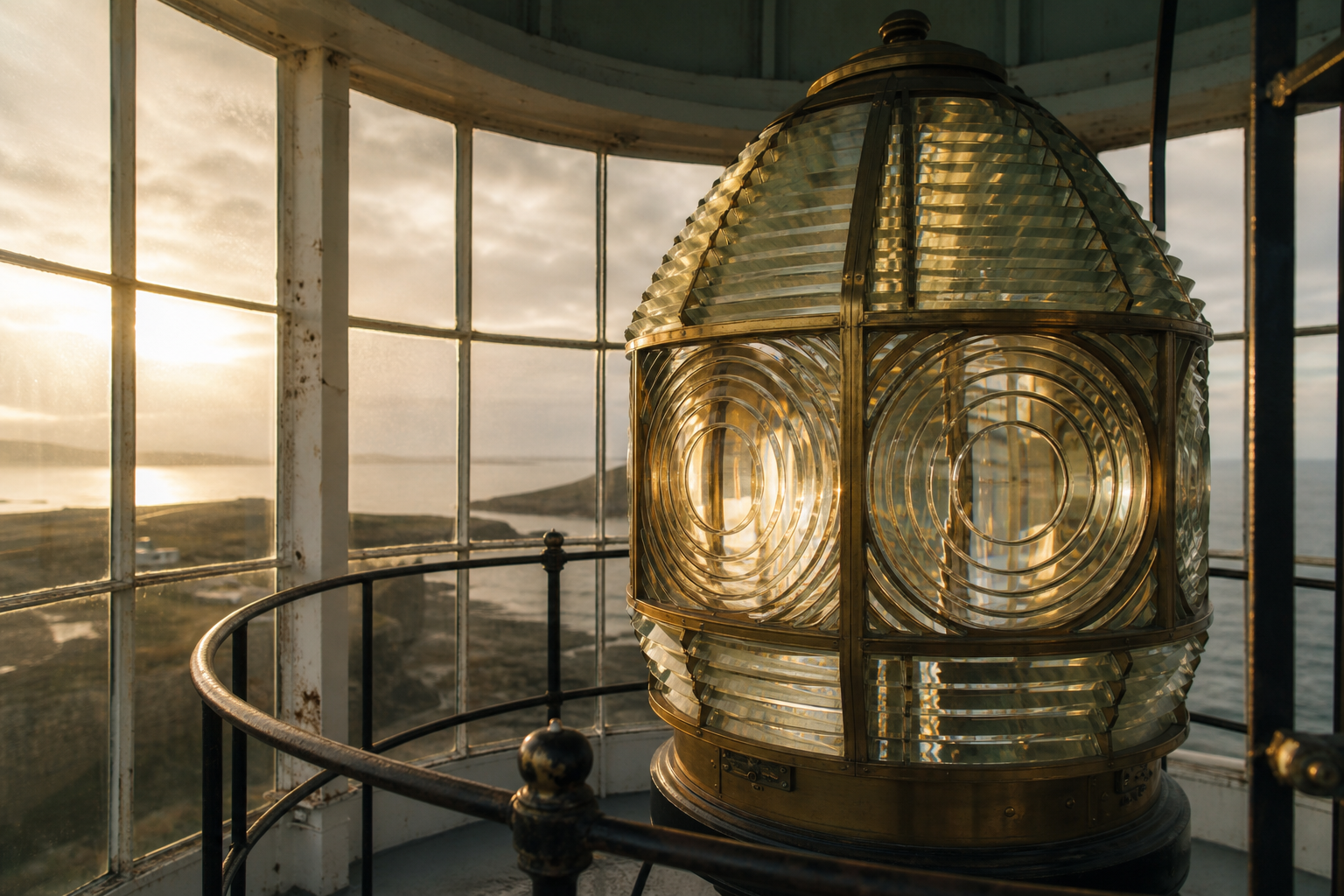
Lantern room interior
Lens housing and iron catwalk detail.
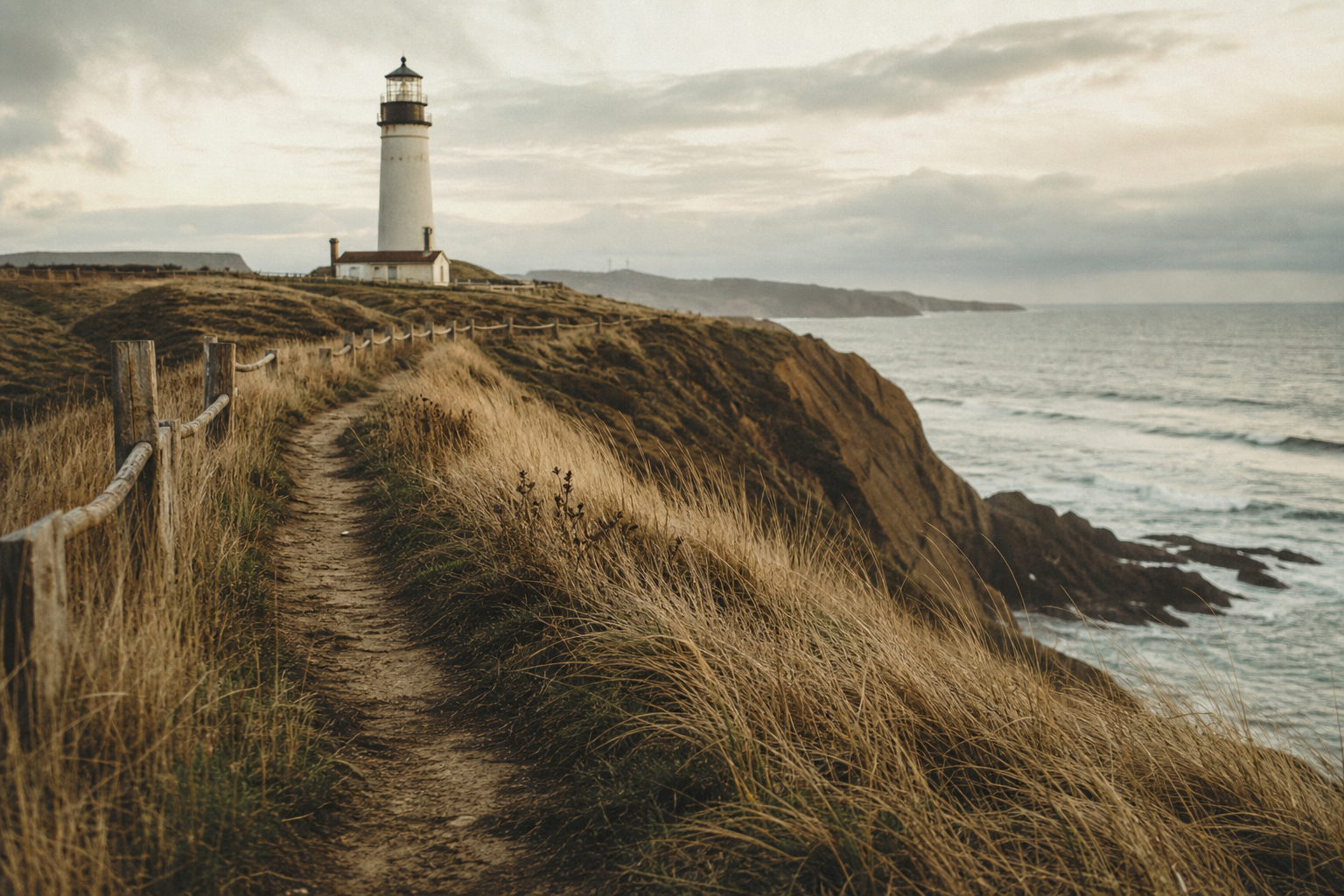
Cliff path approach
Footpath used by supply crews and keepers.
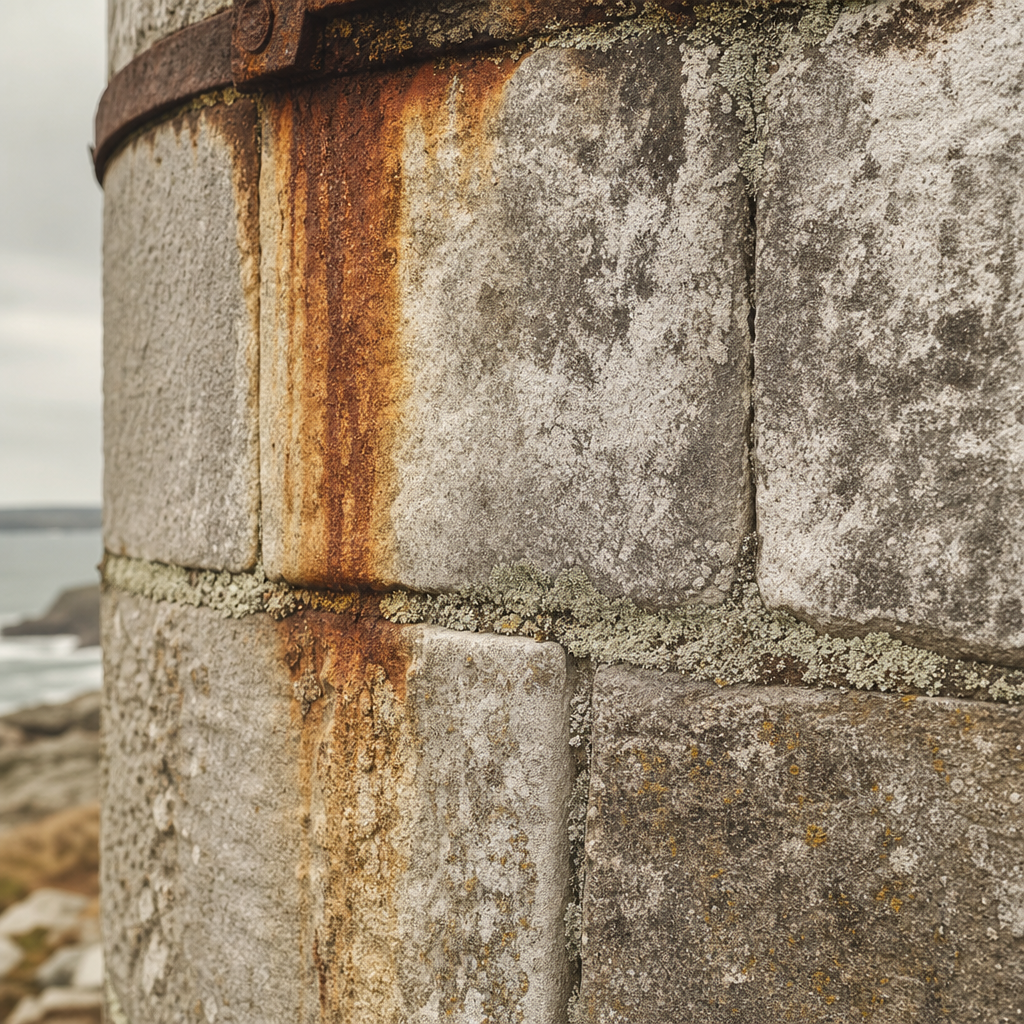
Weathered stone detail
Salt, wind, and decades etched in masonry.
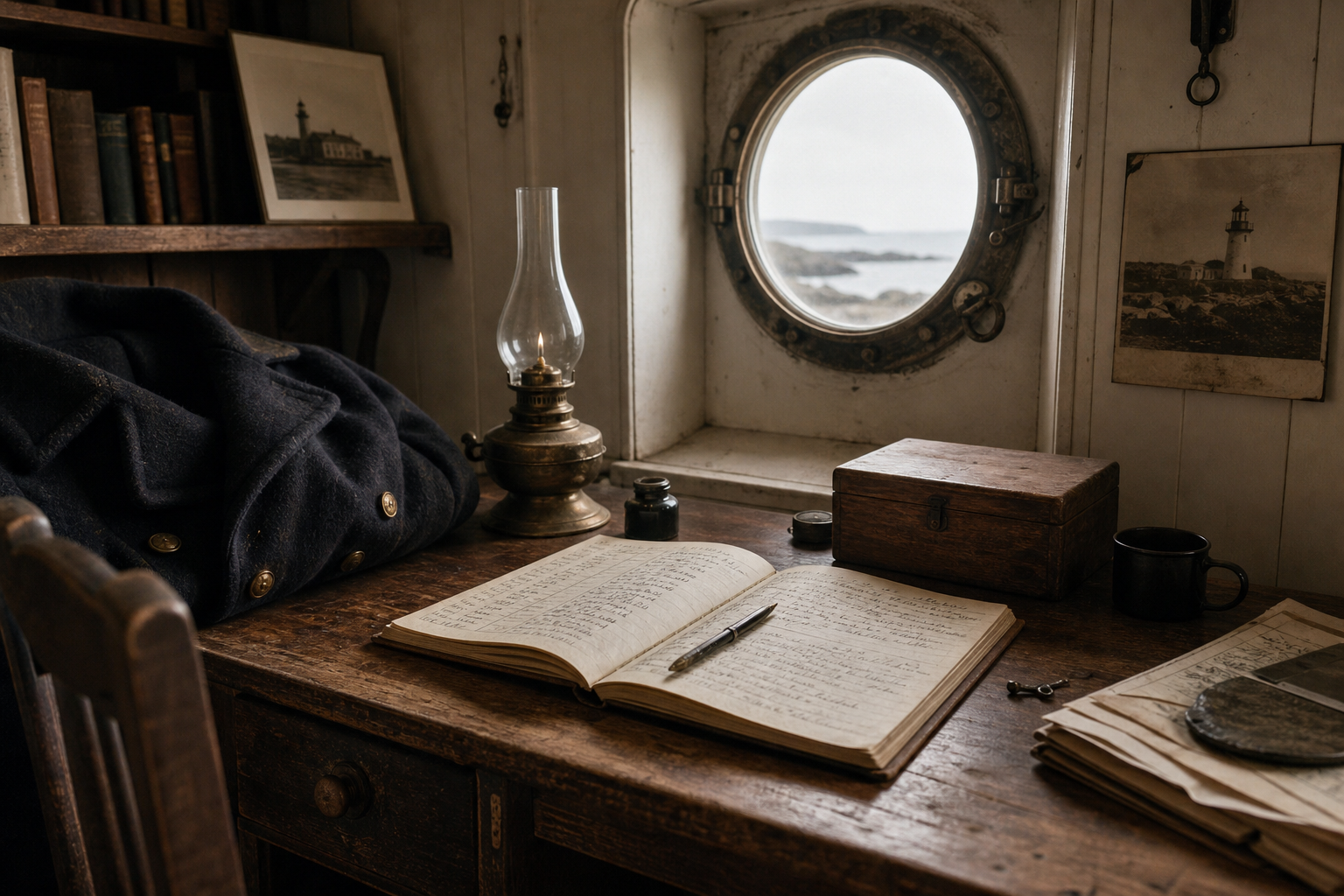
Keeper quarters detail
Logbook station beside the night watch bunk.
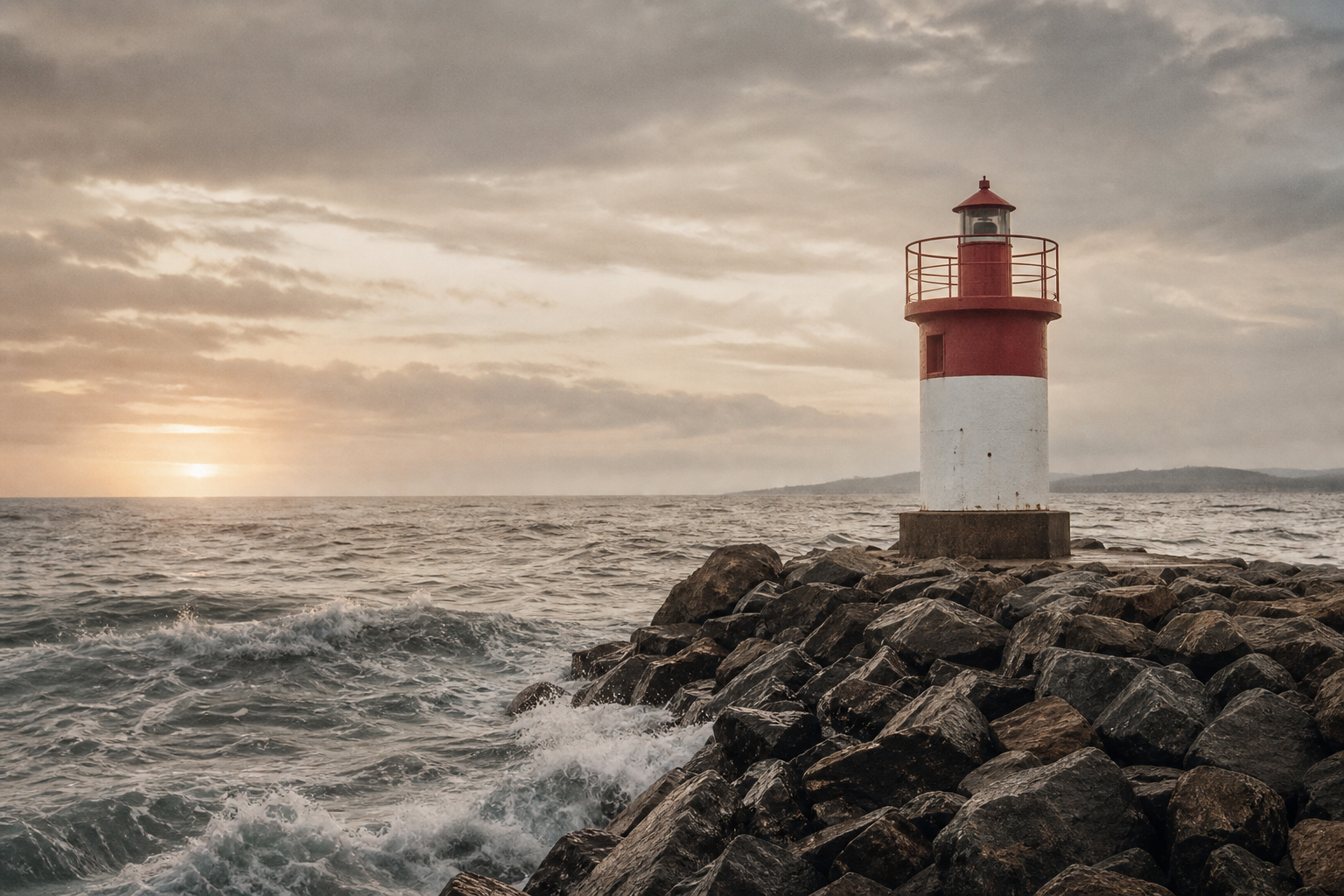
Shoreline beacon view
Harbor marker guiding coastal return routes.
Practical notes
Short answers to common questions about surviving towers, access, and how the archive is interpreted.